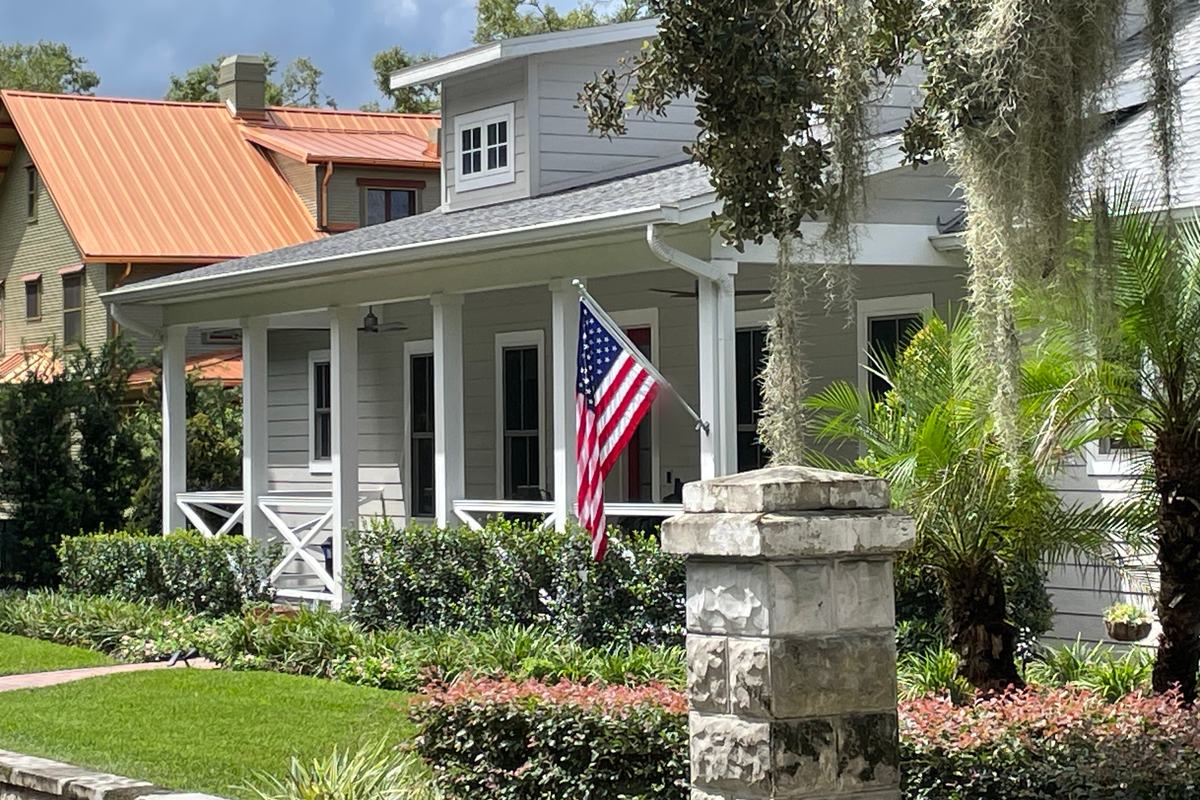
The most common mistake I see with older homes isn't doing too little. It's spending on the wrong things. A seller can put a lot of money into a new kitchen and still have a buyer stall over a 30-year-old electrical panel or a roof their insurer won't accept.
Older Mount Dora homes sell on two things at once: character buyers love and systems buyers (and their insurers) can live with. Prep money usually works hardest when it protects the first and fixes the second.
Every house is different, and I'll give you a home-specific opinion when I see yours. Here's the general framework.
Tier 1: Fix first, the "deal-protectors"
These are the items most likely to slow a sale, shrink the buyer pool, or come back as a repair request during the contract.
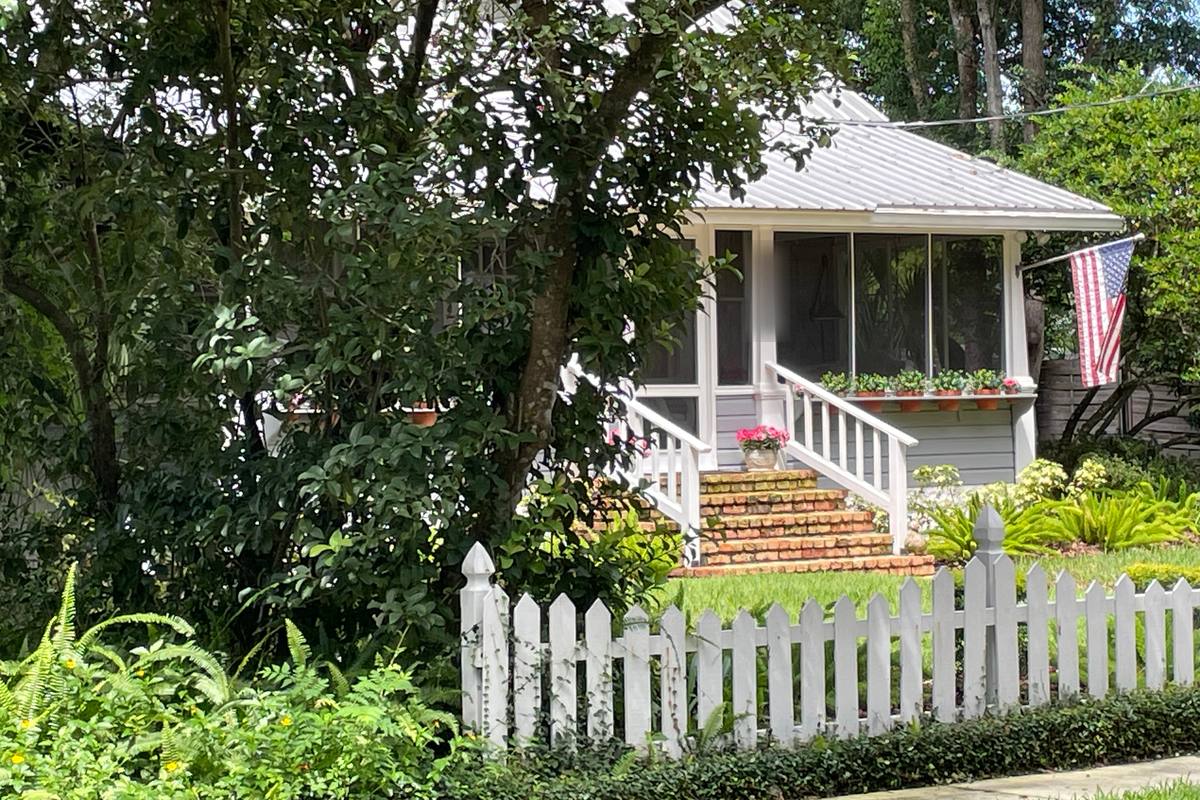
- Active leaks and water damage. Roof, plumbing, windows, or under sinks. Citizens Property Insurance specifically names "active leaks or evidence of leaks" as hazards to repair before applying for coverage.
- Electrical safety items. Exposed wiring, overheating signs, missing covers, or obvious DIY work. Get a licensed electrician's opinion on older panels and wiring. Some insurers are strict about certain types.
- Roof questions. You may not need a new roof, but you need answers: its age, the last full-replacement permit, and an inspection if it's older. Florida law and insurers treat roof age carefully. See Getting an Older Florida Home Insurance-Ready.
- HVAC that works. In Central Florida, buyers notice right away. A service visit and a receipt go a long way.
- Wood rot, termite evidence, and soft spots on porches, steps, and sills. These are common in older wood-frame homes, and buyers' inspectors look for them.
- Safety basics. Working smoke detectors, secure handrails, and steps that don't wobble.
Why first: these items affect insurability and inspection results. They're often less expensive to address on your own schedule than to negotiate under a deadline.
Tier 2: Do if practical, the "first-impression" items
These usually cost less and help buyers feel the home has been cared for.
- Deep clean, including windows, ceiling fans, and porch.
- Declutter and lighten. Remove extra furniture so rooms read larger. Older homes often have smaller rooms, so less furniture helps.
- Touch-up paint where it's scuffed or stained. Neutral, warm colors work well inside. Outside, if your home is in the historic review area, check with the city before changing exterior colors or materials.
- Curb appeal. Trim shrubs off the house, refresh mulch, clean the walk, and repair the porch light. In Mount Dora, the porch is the welcome mat.
- Small repairs. Sticking doors and windows, dripping faucets, loose hardware, and burned-out bulbs. Buyers add these up.
- Refinish, don't replace, wood floors if they're worn. Original floors are often a selling point.
Tier 3: Usually skip, or get a quote instead
These are projects that often don't return what they cost, take too long, or are better left to a buyer with their own taste.
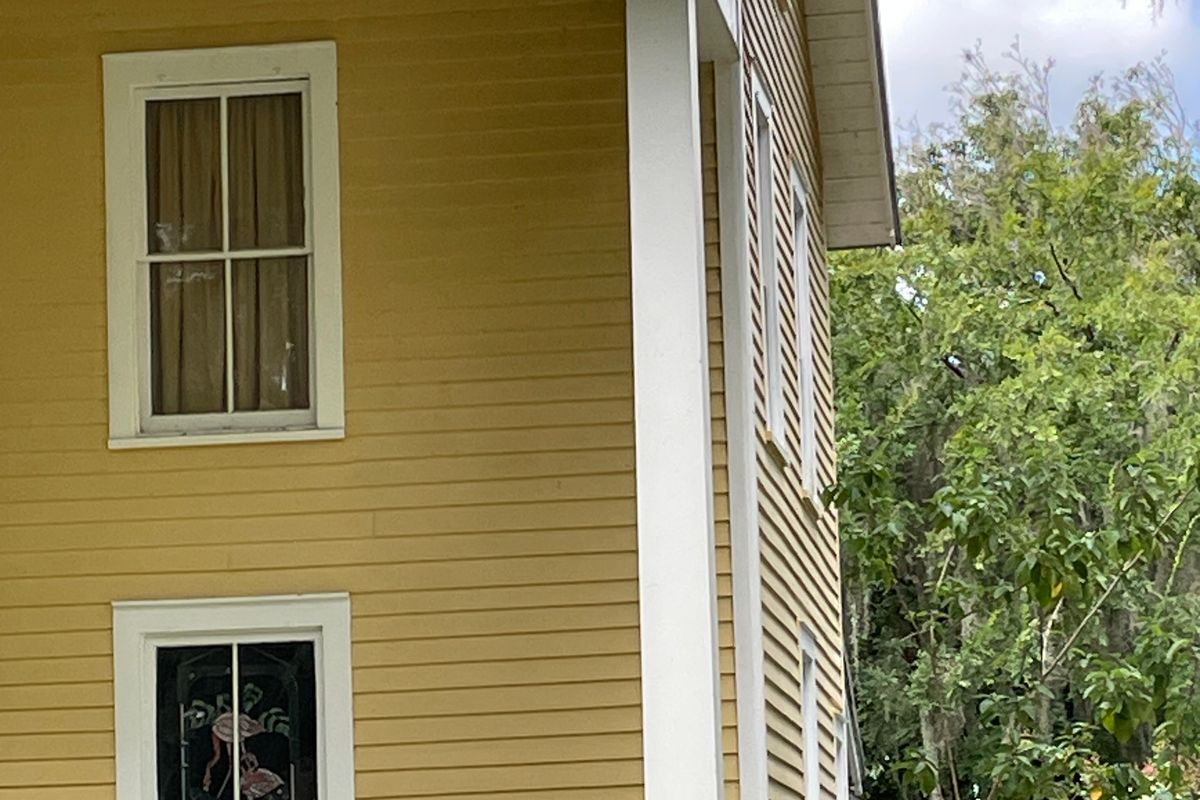
- Full kitchen or bath remodels. Buyers of older homes frequently want to choose their own finishes. A clean, working kitchen with a written quote for updating may serve you better.
- Replacing original windows "just because." In a historic home, original wood windows may be part of the appeal. In the review area, replacement may also need a Certificate of Appropriateness. Repair and weatherstrip instead, unless insurance or function requires more.
- Additions or major exterior changes before listing. Between design, historic review (applications are due about three weeks before the monthly Board meeting), and construction, the timeline rarely fits a sale. See Historic District Rules, Explained.
- Covering up character. Painting over original wood trim, removing built-ins, or swapping vintage tile for builder-grade finishes can take away exactly what draws buyers to Mount Dora's older homes.
- Cosmetic projects that hide a problem. Fresh paint over a water stain doesn't fix the leak, and inspectors notice. Fix the cause, keep the receipt, and disclose as required.
The "get a quote" strategy
For bigger items you decide not to tackle, such as an aging roof, an older panel, or original windows, consider getting a written estimate from a licensed contractor before listing. It helps in three ways:
- You can price the home with real numbers instead of guesses.
- Buyers see a known cost instead of an unknown risk.
- If repair requests come up, you're negotiating from facts.
Don't forget the paperwork
Some of the best "prep" for an older home is a folder, not a renovation:
- Roof permit and age, four-point and wind mitigation reports
- Permits and COAs for past exterior work
- Service records (HVAC, septic if any, termite treatment)
- Receipts for recent repairs
- Your disclosures. Homes built before 1978 require a federal lead-based paint disclosure, and Florida requires a flood disclosure.
The free Seller's Checklist lists all of it.
What to fix before selling an older house: FAQ
1Should I remodel the kitchen before selling an older home?
Usually not. Buyers of older homes frequently want to choose their own finishes. A clean, working kitchen with a written quote for updating may serve you better.
2What should I fix first?
The "deal-protectors": active leaks and water damage, electrical safety items, roof questions, HVAC that works, wood rot or termite evidence, and safety basics like smoke detectors and secure handrails. These affect insurability and inspection results.
3Should I replace original wood windows before listing?
Usually not "just because." In a historic home, original wood windows may be part of the appeal, and in the review area replacement may need a Certificate of Appropriateness. Repair and weatherstrip instead, unless insurance or function requires more.
4Can I sell an older or inherited home as-is?
If you inherited the home, or have lived in it for decades, as-is may be perfectly reasonable. Many buyers of older homes expect to update. The goal is to remove the surprises, not to make the house new.
A word about inherited and long-held homes
If you're selling a home you inherited, or one you've lived in for decades, as-is may be perfectly reasonable. Many buyers of older homes expect to update. The goal is to remove the surprises, not to make the house new. See Selling an Inherited Home in Lake County and Downsizing Timeline.
Before you spend a dollar, let's walk through it together
Request a free home consult and I'll give you a plain-English "fix / maybe / skip" list for your home. Or start with the free Older Mount Dora Home Seller's Checklist.
Back to the main guide: Selling an Older Home in Mount Dora · Need help with the work? Local partners
Sources
- Citizens Property Insurance Corporation, Inspections: https://www.citizensfla.com/web/public/inspections
- City of Mount Dora, Certificate of Appropriateness: https://www.mountdora.gov/291/Certificate-of-Appropriateness
- U.S. EPA, Real Estate Disclosures about Potential Lead Hazards: https://www.epa.gov/lead/real-estate-disclosure
- Florida Statutes s. 689.302 (Flood disclosure): https://www.leg.state.fl.us/statutes/index.cfm?App_mode=Display_Statute&URL=0600-0699/0689/Sections/0689.302.html