If you've inherited a home, I'm sorry for your loss. Settling a parent's or loved one's house often arrives during an already hard season, and it can come with a lot of unfamiliar paperwork.
This page is a gentle orientation. It covers how the legal side generally fits in, what you can do in the meantime, and how a sale usually comes together once you have authority to sell. I'm not an attorney, and nothing here is legal advice. Every estate is different, and the right path depends on the will (if there is one), how the property was titled, family circumstances, and more. A Florida probate attorney is the right first call.
Step one: find out who can legally sell
Before anyone can list or sign a contract, someone has to have the legal authority to sell. How that happens depends largely on how the home was titled and whether there was a will or trust. Common situations include:
- The home was in a trust. The successor trustee may be able to handle the sale under the trust's terms, often without probate for that property.
- The home was jointly owned with survivorship rights, or owned by a married couple as "tenants by the entirety." Ownership may pass to the surviving owner outside of probate.
- The home was in the deceased person's name alone. A probate proceeding is often needed so the court can confirm who has authority and who inherits.
- There's a deed with a special transfer provision. Some Florida deeds name who receives the property. An attorney can tell you whether it applies.
A good first task is to find the most recent deed. You can usually search property records through the Lake County Clerk of Courts, or an attorney or title company can pull it for you.
Probate in Florida, at a very high level
Probate is the court process that confirms a will (if there is one), pays valid debts, and transfers property to the people entitled to it. In Lake County, probate matters go through the Clerk of the Circuit Court.
Florida has a few types of proceedings. Two that families often hear about:
- Formal administration. The court appoints a personal representative (sometimes called an executor) and issues "Letters of Administration" giving that person authority to act for the estate. Under the Florida Probate Rules, a personal representative generally must be represented by a Florida attorney unless they're the sole interested person.
- Summary administration. A shorter process that's available in certain cases. Under current Florida law (section 735.201, as amended in 2026), these include estates where the property subject to administration, less exempt property, is $150,000 or less, or where the person died more than two years ago. No personal representative is appointed.
Florida homestead is its own topic. If the home was the deceased person's homestead, special rules may control who receives it, especially when there's a surviving spouse or minor children. For example, when a surviving spouse and descendants survive and the home wasn't validly left by will, Florida law gives the spouse a life estate (or the option to elect a one-half interest within a set time) and the remainder to the descendants. These rules surprise many families, so ask your attorney about homestead status early.
What you can do while the legal side is underway
You often can't sell until authority is clear, but you can still take care of the house and get organized.
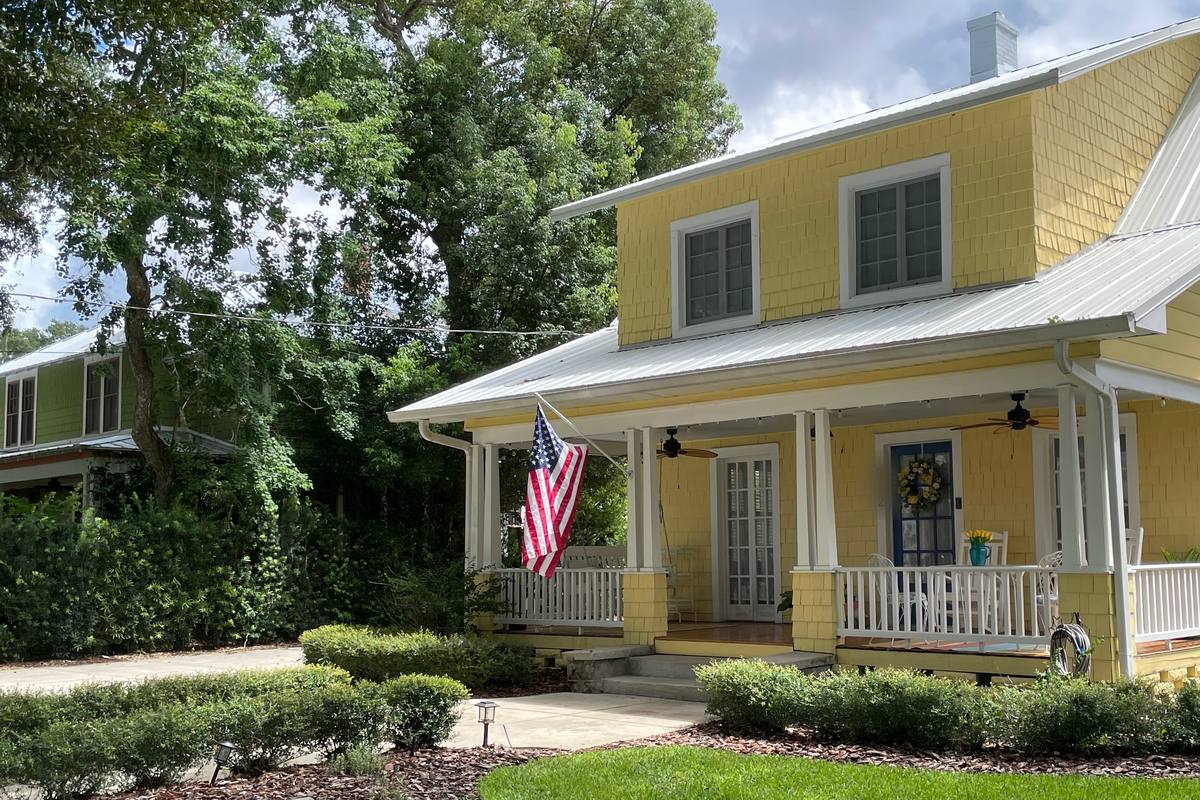
Protect the property - Call the homeowners insurance company. Let them know the owner has passed away, and ask whether the policy stays in force and what happens if the home is vacant. Many policies treat vacant homes differently. - Keep utilities on so the A/C keeps humidity down and the water can be checked. Florida humidity is hard on a closed-up house. - Secure the home. Change or re-key locks if needed, stop mail delivery or have it forwarded, and arrange regular check-ins. - Keep the yard tended. It signals the house is cared for, and it keeps neighbors happy.
Get organized - Gather the deed, tax bills, insurance policy, mortgage statements, HOA information (if any), utility accounts, and any repair or permit records. - Keep receipts for anything you pay to maintain the house. Your attorney or CPA may need them. - Don't throw out paperwork you aren't sure about. Ask first.
Handle belongings with care - Before items are removed or sold, check with the attorney or personal representative about what's appropriate, especially if several heirs are involved. - Estate-sale companies and cleanout services can help once you have the go-ahead. See the local partners page for the types of help available.
Selling an inherited home in Lake County: common questions
1Do we have to fix the house up?
No. Some families sell an inherited home largely as-is. Others make light updates first. The right choice depends on the home's condition, the timeline, and how the heirs want to split time and money. See What Adds Value and What to Skip.
2What if the heirs live out of state?
That's very common. Much of a sale can be coordinated by phone, email, and electronic signatures where permitted, with local professionals handling the on-site work.
3What about taxes?
Inherited property can have specific tax consequences. Please talk with a CPA or tax professional before you sell.
4What if the home is in the historic district?
Inherited homes in downtown Mount Dora are often older and may be in the city's historic review area. That affects exterior changes, not the sale itself. See Historic District Rules, Explained. Older homes also bring buyer insurance questions. See Getting Insurance-Ready.
How I help families with inherited homes
Once the person with authority is ready, I can:
- Walk through the home with you or a family member, in person or by video
- Prepare a pricing review based on recent comparable sales
- Help you decide what's worth doing before listing and what isn't
- Coordinate access for inspectors, photographers, and showings so you don't have to be there
- Keep every heir and the attorney updated in writing, so everyone sees the same information
I don't give legal advice, and I work alongside your attorney rather than in place of one. If you don't have a probate attorney yet, The Florida Bar's Lawyer Referral Service is one place to start.
Organize the house, one step at a time
Download the free Older Mount Dora Home Seller's Checklist. It includes a section for inherited homes. When you're ready, request a free home consult for a no-pressure conversation.
Back to the main guide: Selling an Older Home in Mount Dora · Also see: Downsizing Timeline
Sources
- Florida Statutes s. 735.201 (Summary administration; 2026 version, $150,000 threshold, ch. 2026-57): https://www.leg.state.fl.us/statutes/index.cfm?App_mode=Display_Statute&URL=0700-0799/0735/Sections/0735.201.html
- Florida Statutes s. 732.401 (Descent of homestead): https://www.leg.state.fl.us/statutes/index.cfm?App_mode=Display_Statute&URL=0700-0799/0732/Sections/0732.401.html
- Florida Probate Rule 5.030 (Attorneys), as summarized in a Florida Tenth Judicial Circuit probate information sheet: https://www.jud10.flcourts.org/sites/default/files/judge_documents/JudgeMoore_FloridaProbateInformation.pdf
- Lake County Clerk of Courts (Probate): https://www.lakecountyclerk.org
- The Florida Bar Lawyer Referral Service: https://www.floridabar.org/public/lrs/