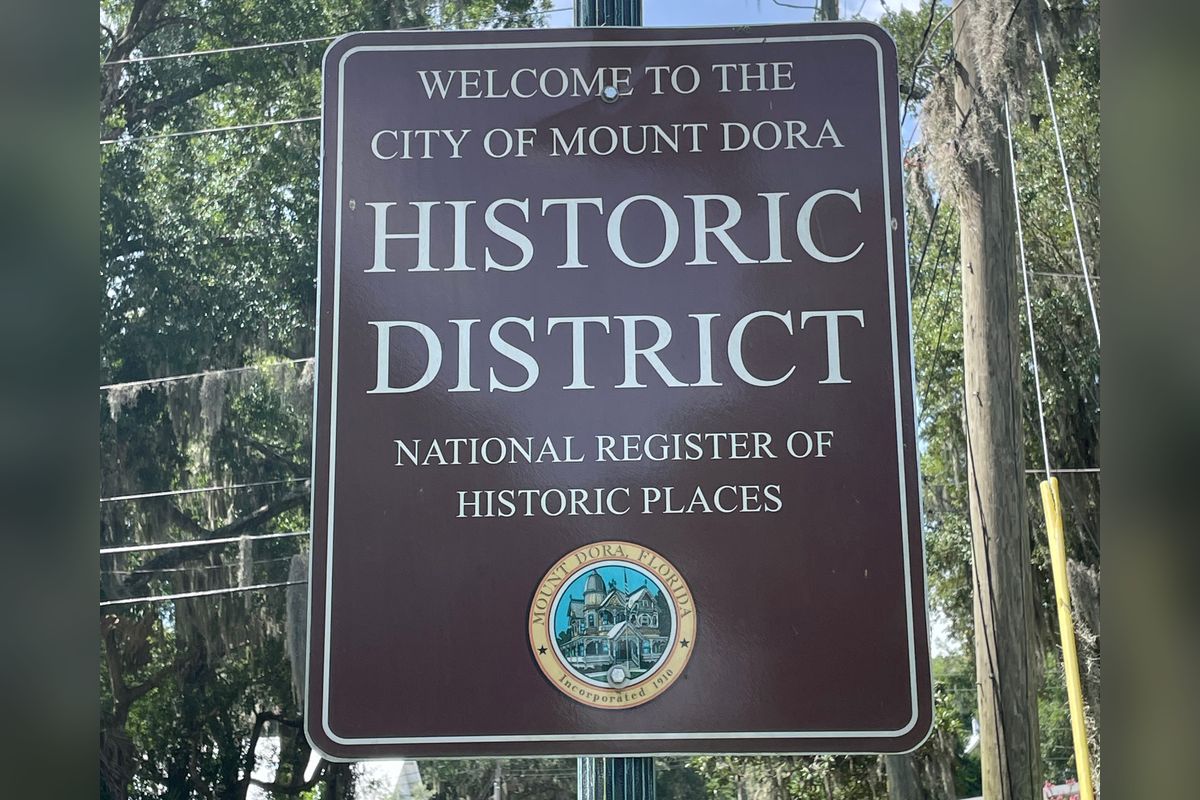
Here's the short version: you can list and sell a historic home in Mount Dora. The sale itself isn't restricted. What the city reviews is exterior change. So for a seller, the historic district comes down to three practical questions:
- Is my house inside the review area?
- Is the paperwork behind past exterior work in order?
- Is there anything I want to change outside before listing, and do I have time for review?
If you want the basics first, start with my Mount Dora seller questions page. This page is the hands-on part: what to pull together, what to time, and what buyers will ask.
Step 1: Confirm which side of the line you're on
Mount Dora has two different "historic districts," and buyers often mix them up.
- The city's Historic Preservation Review Area is the one that matters for exterior changes. The city describes it as bounded by Eleventh Avenue (north), Highland Street (east), First Avenue (south), and Helen Street (west). The city's street list includes Alexander, Baker, Clayton, Grandview, Helen, McDonald, and Tremain Streets; Donnelly Street south of 11th Avenue; Highland Street between First and 11th Avenues; and First through Tenth Avenues west of Highland.
- The National Register district (listed 2009) is a federal honor. The National Park Service says listing places no federal restrictions on a private owner. Its boundaries are a little different. The nomination describes roughly 3rd to 11th Avenues and Helen to Clayton Streets, with 711 resources, 565 of them contributing.
The city's rule is tied to buildings more than 50 years old in the review area. Under that rule, a newer home on a historic street is treated differently from a 1925 cottage next door.
Seller to-do: Write down your home's year built from the Lake County Property Appraiser record, then check the city's Historic Preservation Boundary Map, which is linked from its Realtor Information page. If it's a close call, call Planning and Development at 352-735-7112 and ask. Put the answer in writing for your listing file.
Step 2: Build your "historic paper trail"
This is where historic-district sellers can stand out. For any exterior change made while you owned the home, or that you know a past owner made, try to find:
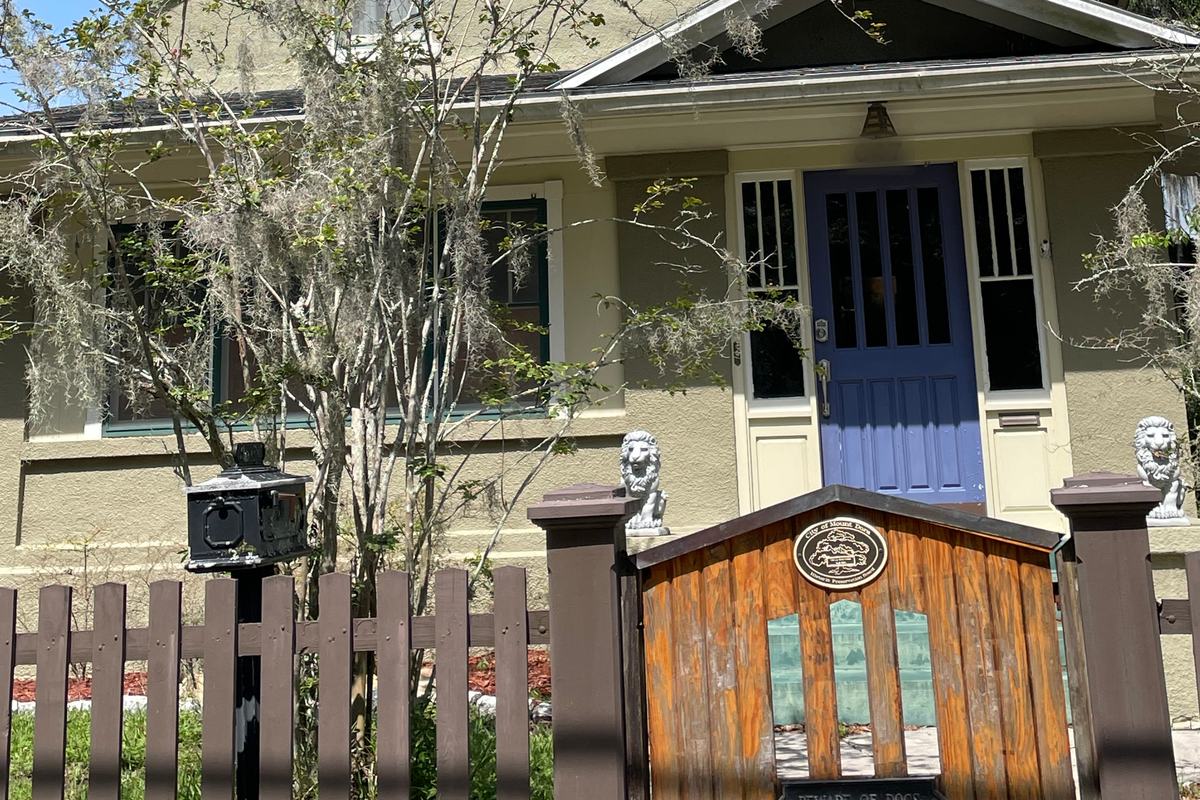
- The Certificate of Appropriateness (COA) and the approved drawings, if any
- The building permit and final inspection
- Contractor invoices that name materials (roof type, window type, siding)
- Before-and-after photos
Why it matters: the city states that a COA is required before a building permit can be issued for covered work. A buyer's agent or inspector who sees replaced windows, a new porch rail, or an added carport will ask whether it was approved. "Here's the COA and permit" ends that conversation quickly. "I'm not sure" can open a longer one in the middle of a contract.
If you're missing paperwork: The city's Planning and Development and Building departments may be able to tell you what's on file for your address. If you know work was done without review, talk with the city, and with a real estate attorney if needed, before you list. Don't wait until a buyer finds it.
Step 3: Decide on pre-listing exterior work, and time it
Most sellers don't need exterior projects at all. If you're considering one, here's how review affects timing:
- Applications are due about three weeks before the Historic Preservation Board meeting.
- The Board typically meets the last Wednesday of each month at 3:00 p.m. at City Hall.
- You'll need elevation drawings and material details, and zoning verification if there's an addition. The city suggests meeting with staff before drawings are prepared.
That means even a simple approved change can take four to six weeks or more before work starts, plus contractor time. If your listing date is close, it may make more sense to get a quote and share it with buyers rather than rush a project.
Projects that usually prompt the "does this need review?" call: replacing windows or exterior doors, changing roofing material, replacing siding or porch elements, adding or removing a carport, shed, or garage, and demolition of any part of the structure. When in doubt, ask Planning and Development before you hire anyone.
Roofs deserve extra thought. A roof can affect both historic review and your buyer's insurance. Read Getting an Older Florida Home Insurance-Ready before deciding whether to replace one.
Step 4: Be ready for buyer questions
The city specifically asks Realtors to share historic review information with buyers. Buyers will ask, so have answers ready:
| Buyer question | What to have ready |
|---|---|
| "Is this house in the review area?" | Your written confirmation from Step 1 |
| "Were the windows / roof / porch approved?" | COAs, permits, invoices from Step 2 |
| "Can I add a pool, garage, or addition?" | The city's COA page and brochure. I point buyers to the city rather than promising outcomes. |
| "How does the Board decide?" | It uses the Secretary of the Interior's Standards and the city's design guidelines, and the city says it can't decide on "subjective taste." |
| "Any open permits?" | A permit search for your address |
I keep this information in a one-page "historic facts" sheet for your listing, along with documents buyers can review before they make an offer.
How historic status shows up in pricing
Buyers often pay for what makes these homes special: porches, original millwork, wood floors, and walkable streets. They also weigh what it will cost to insure and maintain an older house. I cover recent historic district sales every quarter in my Historic District Market Report. For your specific home, a pricing review compares it with similar historic sales, not town-wide averages.
Mount Dora historic district rules: seller FAQ
1Can I sell a historic home in Mount Dora?
Yes. You can list and sell a historic home in Mount Dora; the sale itself isn't restricted. What the city reviews is exterior change: alterations, additions, and demolition on buildings more than 50 years old in the Historic Preservation Review Area.
2Is the National Register district the same as the city's review area?
No. The city's Historic Preservation Review Area is the one that matters for exterior changes. The National Register district (listed 2009) is a federal honor, and the National Park Service says listing places no federal restrictions on a private owner. The two boundaries are a little different.
3How long does historic review take before exterior work can start?
Applications are due about three weeks before the Historic Preservation Board meeting, and the Board typically meets the last Wednesday of each month. Even a simple approved change can take four to six weeks or more before work starts, plus contractor time.
4How do I confirm whether my house is in the review area?
Note your home's year built from the Lake County Property Appraiser record, then check the city's Historic Preservation Boundary Map, linked from its Realtor Information page. If it's a close call, call Planning and Development at 352-735-7112 and put the answer in writing for your listing file.
Related guides
- What Adds Value and What to Skip
- Why Buyers Love Mount Dora's No-HOA Neighborhoods
- Back to the main guide: Selling an Older Home in Mount Dora
Get the historic-district section of the checklist
Download the free Older Mount Dora Home Seller's Checklist. It includes the paper-trail list above. Or request a free home consult and I'll help you confirm your home's status and what's on file.
Sources
- City of Mount Dora, Realtor Information for Buying in the Historic District: https://www.mountdora.gov/848/Realtor-Information
- City of Mount Dora, Historic Preservation (district street list, Planning contact): https://www.mountdora.gov/282/Historic-Preservation
- City of Mount Dora, Certificate of Appropriateness: https://www.mountdora.gov/291/Certificate-of-Appropriateness
- City of Mount Dora, Certificate of Appropriateness Brochure (updated 2019): https://mountdora.gov/DocumentCenter/View/10850/COA-Brochure-Updated-2019
- City of Mount Dora, Historic Preservation Board: https://www.mountdora.gov/287/Historic-Preservation-Board
- National Park Service, NRHP nomination, Mount Dora Historic District: https://npgallery.nps.gov/NRHP/GetAsset/NRHP/09000777_text
- National Park Service, National Register FAQs: https://www.nps.gov/subjects/nationalregister/faqs.htm